
Begin with the everyday
A first visit to Bulgaria is easier to understand as a set of overlapping rhythms than as a checklist of monuments. The capital can introduce several chapters in a single walk, while a neighborhood market or small museum gives those chapters a human scale. The aim is not to master a country in a day. It is to notice how different periods, beliefs, landscapes, and family traditions live alongside one another. Start with Bulgarian village food and craft itinerary to shape a route around curiosity instead of a long list of stops.
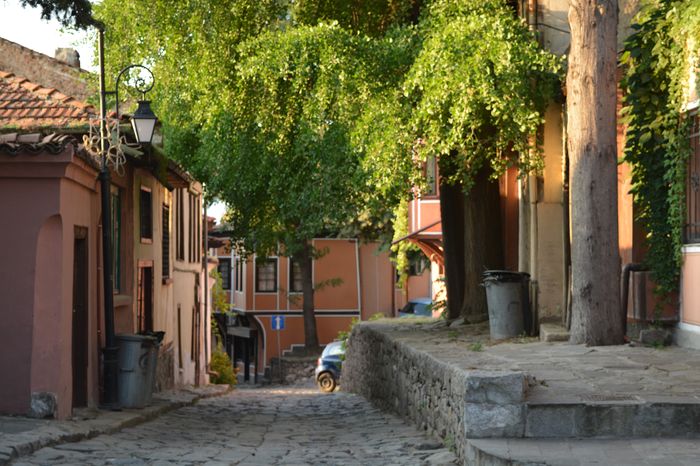
Spend some time watching how people use public spaces. In Sofia, broad avenues and compact side streets lead past cafés, markets, public buildings, and places of worship. A square might be a shortcut in the morning and a meeting place in the evening. Pausing for a coffee or a slow walk lets you observe the city’s present-day character as well as its architecture. These ordinary moments help make a visit feel less like moving through a display and more like being welcomed into a living place.
Notice how the city holds different stories
A first-time visitor can learn a lot by comparing the details of Sofia’s buildings. Look at the materials, the scale of the doorways, and the way older structures sit beside newer ones. Ask how a building is used today as well as what it might represent historically. That simple habit can turn a sightseeing walk into an exercise in interpretation.
For visitors who want a route through the city’s central landmarks, Private Sofia Tour offers one possible starting point. Leave enough time to look around between stops. A synagogue, church, mosque, or public square is more meaningful when you have a moment to consider its place in the neighborhood rather than simply take a photograph and move on.
Culture also comes through conversation. A short exchange with a shopkeeper or café server can reveal what residents recommend, what is in season, or which local custom a visitor might otherwise miss. Learn a few courteous Bulgarian greetings and use them when appropriate. Even small efforts show respect and often make travel interactions warmer.
Let food and traditions add context
Meals provide another way to understand regional identity. Instead of looking only for a familiar dish, notice how menus change from one place to another and what ingredients appear in home cooking. Ask about a dish’s name or how it is usually served. Food is part of daily life, but it can also offer clues about local agriculture, family habits, and celebrations.
The same attentive approach works with music, crafts, and seasonal events. A performance or handmade object is not just a souvenir; it may reflect skills passed down through families and communities. Take time to learn who made an item and how it is used. When a conversation is possible, listen first and avoid assuming that one custom represents the whole country.
Make space for your own discoveries
A thoughtfully planned itinerary still needs open space. Keep one afternoon free for a neighborhood you did not expect to enjoy, or return to a café that made you feel at ease. Travelers arriving from Istanbul may find it helpful to connect their broader regional plans with an Istanbul Tour Guide Ensar as they think about the next part of their journey. Keep the focus on what interests you most, whether that is architecture, food, local history, or the pace of everyday life.
If you would like help choosing a route or shaping your visit around particular interests, use Contact Us to ask about your plans. Share how much time you have and the kinds of places you enjoy. A first trip rarely answers every question, and that is part of its appeal. Leave with a few strong impressions, some new ideas, and a reason to return for a closer look.