The Third Bulgarian Kingdom (1878–1944)
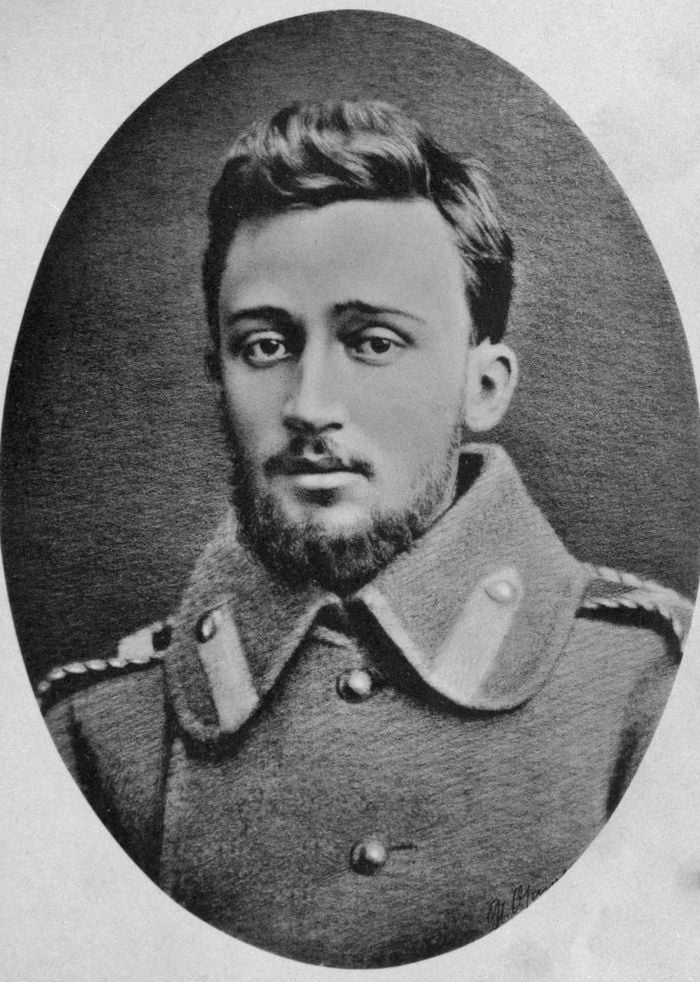
In modern history, Bulgaria regained its sovereignty in 1878 after the Russo-Turkish War of 1877–1878. This war led to the liberation of the country from nearly five centuries of Ottoman rule. The restoration of Bulgarian statehood marked the beginning of a new historical period known as the Third Bulgarian Kingdom Culture in Bulgaria.
After liberation, Bulgaria began to rebuild its political, economic, and cultural life. New institutions were created, and efforts were made to develop education, industry, and national infrastructure. The country worked to strengthen its independence and to unite all Bulgarian lands. During this period, Bulgaria faced many challenges, including wars, political struggles, and economic difficulties, but it also experienced important modernization and national development.
The Third Bulgarian Kingdom lasted until 1944. During these years, Bulgaria moved from a newly liberated state to a more organized modern nation. Despite internal and external conflicts, the country continued to grow and shape its national identity.
The People’s Republic of Bulgaria
A major political change took place on September 9, 1944, when a new government came to power and Bulgaria entered a new stage of development. This marked the beginning of the People’s Republic of Bulgaria. The new state followed a socialist system and focused on social and economic reforms.
During this period, efforts were made to industrialize the country, expand education, and improve public services. Agriculture, industry, and infrastructure were developed with the aim of modernizing the economy. Tourism also began to grow as Bulgaria opened its resorts, historical sites, and natural landscapes to foreign visitors.
The creation of the People’s Republic brought significant political and social transformation, and the country continued to develop as a modern state in the Balkans Sofia Tour Guide.
Geographical Position of Bulgaria
The People’s Republic of Bulgaria is located in the north-eastern part of the Balkan Peninsula in Southeast Europe. Its territory covers an area of 110,842 square kilometres, making it a medium-sized country in the region.
Bulgaria has several natural borders. To the east lies the Black Sea, with a coastline of about 400 kilometres. To the north, the Danube River forms a natural boundary with Romania, stretching for about 609 kilometres. To the west, Bulgaria borders the former Yugoslavia, while to the south it borders Greece. To the south-east, the country shares a border with Turkey. This position makes Bulgaria an important link between Central Europe, Eastern Europe, and the Near East.
Relief and Landscape
Bulgaria has a very diverse landscape that includes plains, hills, and mountains. About 74,000 square kilometres of the territory consist of plains located up to 500 metres above sea level. Around 23,000 square kilometres are hilly regions between 500 and 1000 metres above sea level. The remaining 13,000 square kilometres are highlands and mountains rising above 1000 metres.
This varied relief creates beautiful natural scenery and offers many opportunities for tourism, mountain sports, and outdoor recreation. The country’s mountains, valleys, rivers, and forests attract many foreign travellers interested in nature and adventure.
Climate and Seasons
The climate of Bulgaria is generally moderate and continental. However, there are regional differences. Western Bulgaria has a climate similar to that of Central Europe, while Southern Bulgaria shows Mediterranean influences. The coastal areas along the Black Sea enjoy milder winters and autumns compared to inland regions.
Most parts of the country have about seven warm months each year, usually from April to October. The winters are relatively moderate, while summers are long and often hot. During the summer season, temperatures usually range between 23°C and 35°C, making it suitable for seaside holidays and mountain tourism.
Rivers and Water Resources
Bulgaria has several important inland rivers that play a significant role in agriculture, transport, and natural life. The longest river within the country is the Maritsa, which is about 530 kilometres long. Other major rivers include the Tundzha, with a length of 416 kilometres (368 kilometres within Bulgaria), and the Arda, which is 267 kilometres long, with 230 kilometres flowing through Bulgarian territory.
Another important river is the Struma, which has a total length of 392 kilometres, of which 310 kilometres lie within the country. These rivers, together with many smaller streams and lakes, contribute to the country’s natural richness and support farming, energy production, and tourism.
Population
By the middle of 1959, Bulgaria had a population of approximately 7,798,000 people. The population was distributed across cities, towns, and rural villages, with many people engaged in agriculture, industry, and services. Over time, urbanization and economic development contributed to the growth of major cities and tourist centres across the country.